Most people buy sunglasses in bad light and under mild delusion. The mirror is tiny, the store is bright, the sales pitch is working, and suddenly you own a pair that never leaves the case.
That happens because sunglasses are treated like pure fashion. They are not. The first question is how the frame sits on your face. The rest comes after.
The face-shape rule, without the nonsense
Contrast is still the cleanest way to think about it. Round faces usually benefit from sharper frames. Square jaws tend to look better with softer curves. Oval faces can wear almost anything because the proportions are already doing the work.
Heart-shaped faces usually want balance lower on the frame, which is why aviators and some round shapes work well. Longer faces tend to need height or width so the features do not read stretched.
These are not laws. They are shortcuts. A good frame still has to fit your nose, your cheekbones, and the way your face moves when you smile.
Warby Parker
Warby Parker is still the easiest starting point if you want decent design without luxury pricing. The range is broad, the lenses are solid, and the home try-on remains the smartest part of the brand.
Use that try-on. Wear the frames in daylight, in the car, on a rushed morning, not just under flattering store bulbs. My son would absolutely turn the try-on box into a ranking session. He would be useful, annoyingly.
Downing, Griffin, and Haskell stay useful because they are not chasing a trend too hard. They just look good and keep looking good.
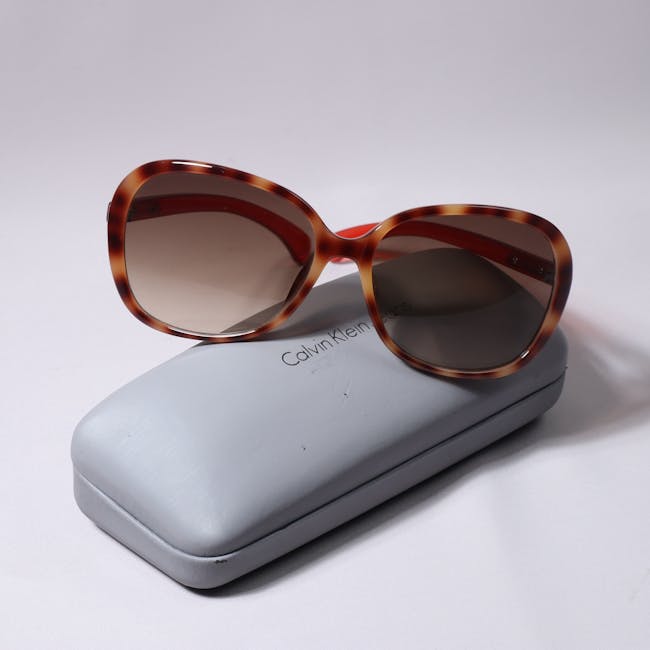
Accessible price, strong try-on system, dependable shapes. The right first stop for most people.
Shop Warby Parker →Ace & Tate
Ace & Tate feels a little more restrained than Warby Parker, which is exactly why some people will prefer it. The shapes are cleaner, the colors are quieter, and the whole line reads more considered.
Otis, Coran, and Reese are the standouts because they manage to feel current without feeling temporary. That is the sweet spot for a good frame.
Celine, if you are ready to spend
Celine Triomphe frames cost real money, but they also explain why cheaper brands keep circling the same silhouette. The shape is strong, the proportions are sharp, and the whole thing reads settled rather than trendy.
If you want one pair you wear for years instead of a small pile that never quite lands, this is the save-up option.
Lens color, briefly
Grey is the most neutral. Brown adds contrast and warmth. Green is versatile and classic. Mirrored lenses cut glare well but read louder. Blue and yellow are mostly style choices, not practical ones.
For one pair, buy grey or brown and get polarization if you drive a lot or spend time near water. My grandmother would call that common sense, which it is.